
Deep cleaning sounds like a weekend sentence, but it is really just regular cleaning with the furniture moved and the forgotten spots included. If you have never deep cleaned — or have avoided it because the whole house at once feels impossible — this checklist breaks it into five rooms, one at a time, with every task spelled out. You do not need to do all five rooms in a day, or even in a week. Pick one room, work its list top to bottom, and stop. A home deep cleaned one room per weekend is fully reset in about a month, and each room takes most beginners one to two hours. Here is exactly what to do in each one.
Before You Start: The Supplies Kit
You need less than the cleaning aisle suggests. Gather: an all-purpose cleaner, a bathroom cleaner with disinfectant, glass cleaner, a degreaser for the kitchen, baking soda and white vinegar, two buckets (one for solution, one for rinsing), microfiber cloths (a 10-pack costs about $10), a scrub brush and an old toothbrush for grout and faucets, a squeegee, rubber gloves, trash bags, and your vacuum with its crevice and brush attachments. A complete starter kit runs $30 to $45 if you own nothing. Put everything in one caddy or bucket so each room starts without a supply hunt. Work every room the same way: top to bottom, back to front, dry tasks (dusting, vacuuming cobwebs) before wet ones (mopping, scrubbing), so dirt always falls onto a floor you have not cleaned yet.
Kitchen Deep Clean
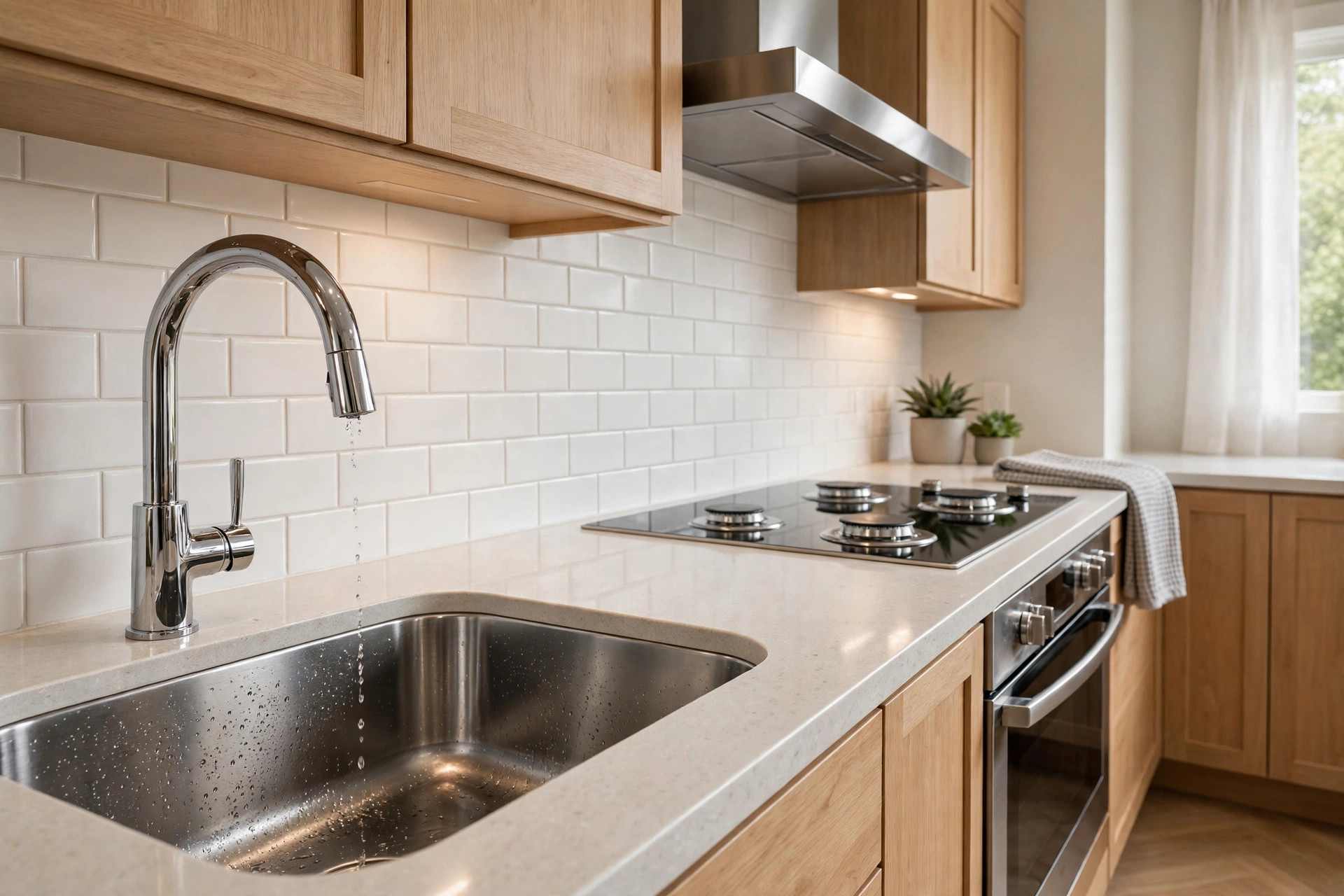
The kitchen hides more grease and bacteria than any other room, so give it the full treatment. Start high: dust the tops of cabinets and the fridge, wipe cabinet fronts with degreaser, and clean the range hood filter (soak it in hot water with dish soap for 15 minutes). Appliances next — microwave inside and out, stovetop and oven, toaster crumb tray, coffee maker descaled. Clean inside the fridge: remove everything, toss expired items, wash shelves and drawers with warm soapy water. Then the sink: scrub the basin, disinfect it, and polish the faucet — sinks carry more bacteria than most toilet seats. Empty and wipe the trash can itself, inside and out. Wipe small appliances, light switches and door handles. Under the sink, pull everything out, wipe the cabinet floor, and put items back in a caddy — our under-sink kitchen storage ideas make this five-minute job instead of a excavation. Finish with the floor: vacuum, then mop, moving the trash can and any mats to get underneath.
Bathroom Deep Clean
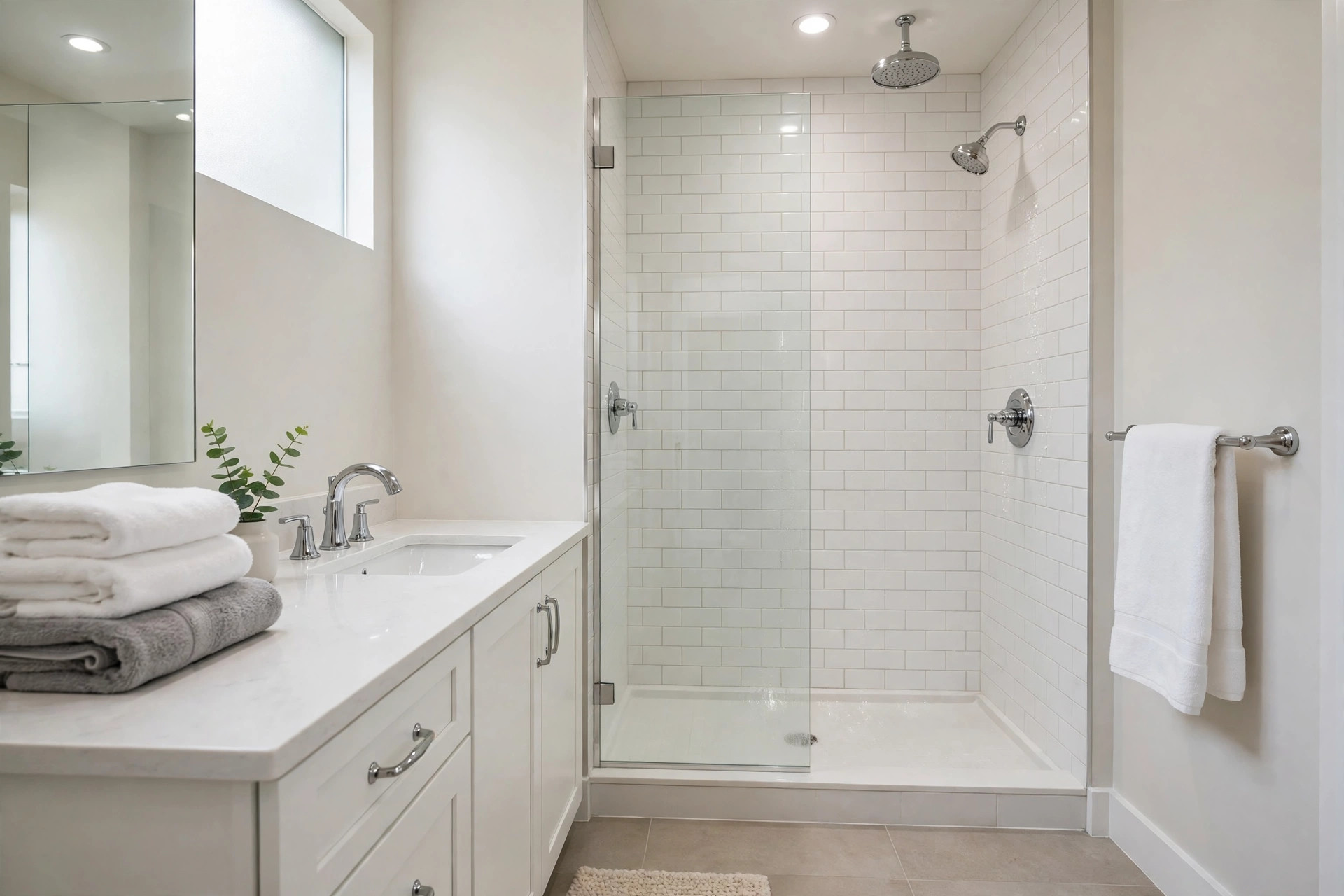
Bathrooms are small but dense. Begin by spraying the shower or tub, grout and toilet bowl with cleaner and letting them sit — dwell time does half the work. While products work, clean the mirror, light fixtures and exhaust fan cover (a dusty fan is both noisy and useless). Wipe the vanity, sink and faucet, then go through cabinets and drawers: toss expired medicine and dried-up products, wipe the shelves. Scrub the shower and tub, using the toothbrush on grout lines and around fixtures; a paste of baking soda and water handles most soap scum. Clean the toilet completely — bowl, seat hinges, handle and the base and floor behind it, the spot most quick cleans miss. Wash or replace the shower curtain liner if it shows mildew. Launder bath mats and towels on hot. Finish with the floor, mopped on hands and knees if the room is small — it is faster and noticeably better around the toilet base.
Living Room Deep Clean
The living room is mostly fabric and dust. Start with the ceiling fan and light fixtures — fan blades drop dust on everything below, so they go first (an old pillowcase over each blade traps it). Dust all surfaces, including the tops of frames, shelves and electronics; wash windows and mirrors, and wipe window sills and tracks. Vacuum upholstered furniture thoroughly, using the crevice tool between cushions — and check what you find down there before you vacuum it up. Spot-clean upholstery stains, or use a rented or home carpet-and-upholstery machine ($30 to $50 for a rental day) if the sofa needs real help. Move furniture and vacuum underneath, including baseboards with the brush attachment. Wash throw pillow covers and blankets. Clean remotes, game controllers and light switches with a lightly dampened disinfecting cloth — high-touch, rarely cleaned. If you have curtains, vacuum them with the brush attachment or check the label for washing.
Bedroom Deep Clean
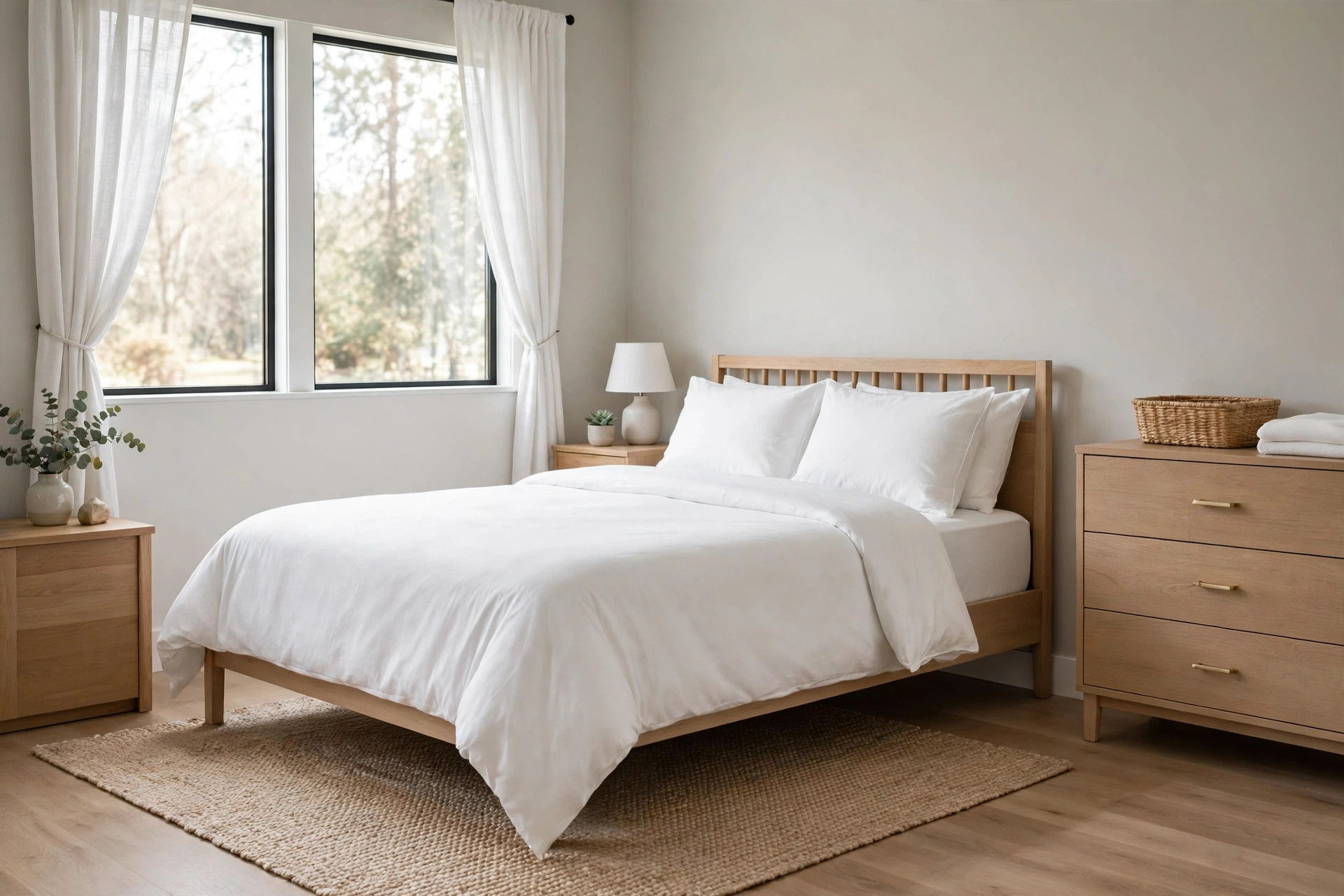
Bedrooms collect dust where you breathe all night, so this one matters for sleep as much as looks. Strip the bed completely — sheets, pillow protectors, mattress protector — and launder everything, including pillows if their labels allow. Vacuum the mattress surface, sprinkle with baking soda, let it sit 30 minutes, and vacuum again; rotate or flip the mattress if your model calls for it. Dust from the top down: ceiling corners, fan, shelves, nightstands, dresser. Clean mirrors and windows. Vacuum under the bed and inside closet floors — two zones most weekly cleans never reach — and wipe closet door tracks. Go through one drawer or shelf as a mini-declutter while you are there: deep cleaning is the perfect moment to notice what no longer earns its space. Finish with floors vacuumed or mopped, baseboards wiped, and the bed remade with the fresh linens. The first night in a deep-cleaned bedroom is noticeably better sleep.
Entryway Deep Clean
The entryway is small, fast, and the dirt gateway for the whole home — everything outside comes through here. Empty the zone completely: shoes, coats, bags, mats. Shake and wash mats (many are machine washable), and let them dry fully before they go back. Wipe the door itself, both sides, including the handle and the frame — front doors get filthy at hand height. Clean light switches and any mirror or glass. Go through the shoes: pairs that are worn out, outgrown or never worn leave now, and the rest get wiped down. Wash or wipe down hooks, shelves and any storage bench, inside and out. Sweep and mop the floor thoroughly, including corners and under the shoe rack. When everything returns, only daily-use items return; seasonal gear goes to a closet. A truly clean entryway makes the whole house feel cleaner the second you walk in.
How Often Should You Deep Clean?
A full deep clean of every room suits most homes two to four times a year — spring and fall are the classic anchors. High-use rooms on their own cycle work too: kitchens and bathrooms benefit from a deep clean monthly, bedrooms and living rooms every two to three months. The honest secret is that maintenance decides everything: a home kept up with the 10-minute daily cleaning routine that actually works and a weekly cleaning schedule for busy working women needs far less deep cleaning, because grime never gets months to build. If you are starting from “never,” do one room per weekend in this order — bathroom, kitchen, bedroom, living room, entryway — and by next month you are maintaining instead of rescuing.
What to Avoid
Avoid starting without emptying your trash and gathering supplies first — mid-room supply hunts kill momentum. Avoid mixing cleaners, especially anything containing bleach with vinegar or ammonia; use one product per job and rinse between. Avoid soaking wood floors, laminate or electronics with water; damp, not wet, is the rule. Avoid trying to deep clean the whole house in one day as a beginner — you will finish two rooms well and three badly, and dread the next round. And avoid skipping the “let it sit” step on bathroom and kitchen cleaners: most need five to ten minutes of dwell time to actually disinfect, and wiping instantly means scrubbing twice as hard for half the result.
Frequently Asked Questions
How long does it take to deep clean a whole house? For a beginner working room by room, most rooms take one to two hours each, so a whole home is roughly six to nine hours of work — best spread over two to five sessions. Homes that are maintained weekly deep clean much faster, often 30 to 45 minutes per room.
In what order should I deep clean the rooms? Start with the bathroom (cleaners need dwell time, and it is the most satisfying reset), then the kitchen, bedroom, living room, and finish with the quick entryway. Within every room, always work top to bottom so dust and dirt fall onto floors you clean last.
What is the difference between regular cleaning and deep cleaning? Regular cleaning maintains surfaces you see and use daily — counters, sinks, floors, mirrors. Deep cleaning adds everything underneath, behind, inside and above: inside appliances, under furniture, grout, filters, vents, baseboards and mattress care. Deep cleaning resets a room; regular cleaning keeps it there.
Do I need special products for deep cleaning? No. An all-purpose cleaner, a disinfecting bathroom cleaner, a degreaser, glass cleaner, baking soda and vinegar cover nearly every task on this list. Specialty products help in narrow cases (oven cleaner, grout pens), but technique — dwell time, the right brush, working top to bottom — matters far more than the bottle.
Conclusion
Deep cleaning stops being intimidating the moment it becomes a list: five rooms, known tasks, one room at a time. Gather the basic kit, start with the bathroom, work top to bottom, and let the checklist — not your energy or memory — decide when a room is done. Save this deep cleaning checklist to your cleaning board, pick your first room for this weekend, and share it with a friend who thinks deep cleaning means renting a dumpster and starting over.