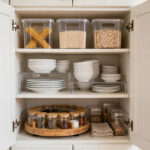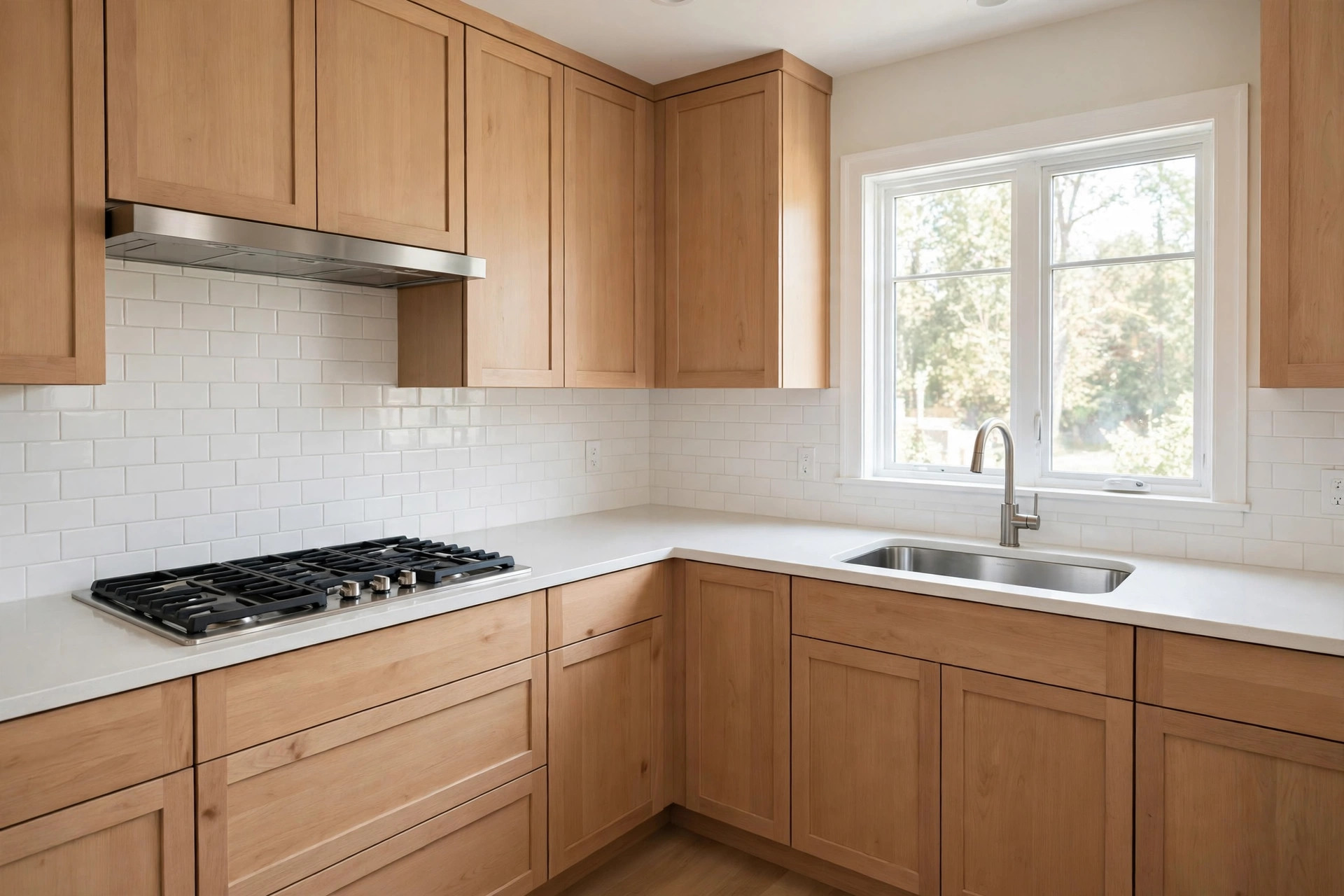
The kitchen is the hardest-working room in your home, and the fastest to look dirty — one cooked meal can undo an hour of cleaning. The secret of kitchens that always look clean is not scrubbing harder. It is sorting tasks by how often they actually need doing, so nothing is ever cleaned too late or too often. This kitchen cleaning routine divides everything into three layers: about 10 minutes of daily tasks, one 30-minute weekly session, and one 45-minute monthly session. That is the whole system. Daily tasks stop mess from becoming grime, weekly tasks handle what builds slowly, and monthly tasks catch the grease and filters everyone forgets. Set it up once, and the kitchen mostly takes care of itself between cooking sessions.
The Simple Supplies Kit
Keep a small kit under the sink so every layer of the routine starts instantly: an all-purpose cleaner, a kitchen degreaser, dish soap, baking soda, white vinegar, a stack of microfiber cloths, a non-scratch scrub sponge, and rubber gloves. The full kit costs about $20 to $25 and lasts months. Two habits matter more than the products: replace the sponge every one to two weeks (or run it through the dishwasher weekly), because an old sponge spreads more bacteria than it removes — and keep a clean hand towel and dish towel in rotation daily. That is genuinely all you need; the routine below does the rest.
Daily Tasks: The Closing Shift (About 10 Minutes)
Think of the daily layer as closing the kitchen the way restaurant staff close theirs — the same short list, every night, so you wake up to a reset room. Dishes done, sink empty (3 minutes): load and run the dishwasher or wash up, then rinse the sink and wipe its edges; an empty sink is the single biggest visual difference between a “clean” and “dirty” kitchen. Counters and stovetop wiped (3 minutes): crumbs and splashes wipe off in seconds tonight and need soaking tomorrow, so do them while they are fresh. Cooking-zone floor sweep (2 minutes): a quick pass with a broom or dry mop under the stove, table and prep area catches the crumbs that attract pests and get tracked through the house. Handles, switches and trash check (2 minutes): wipe the fridge handle, cabinet pulls you touched while cooking, and the light switch; take the trash out if it is full or holds food scraps. These kitchen tasks are the heart of the 10-minute daily cleaning routine that actually works — if you already follow a whole-home routine, this is simply its kitchen slice, done with a little more care. And if counters are your weak point, remember the daily layer only works when everything has a home; our countertop declutter ideas for a clean-looking kitchen will fix the system underneath the wiping.

Weekly Tasks: The Reset Session (About 30 Minutes, Once a Week)
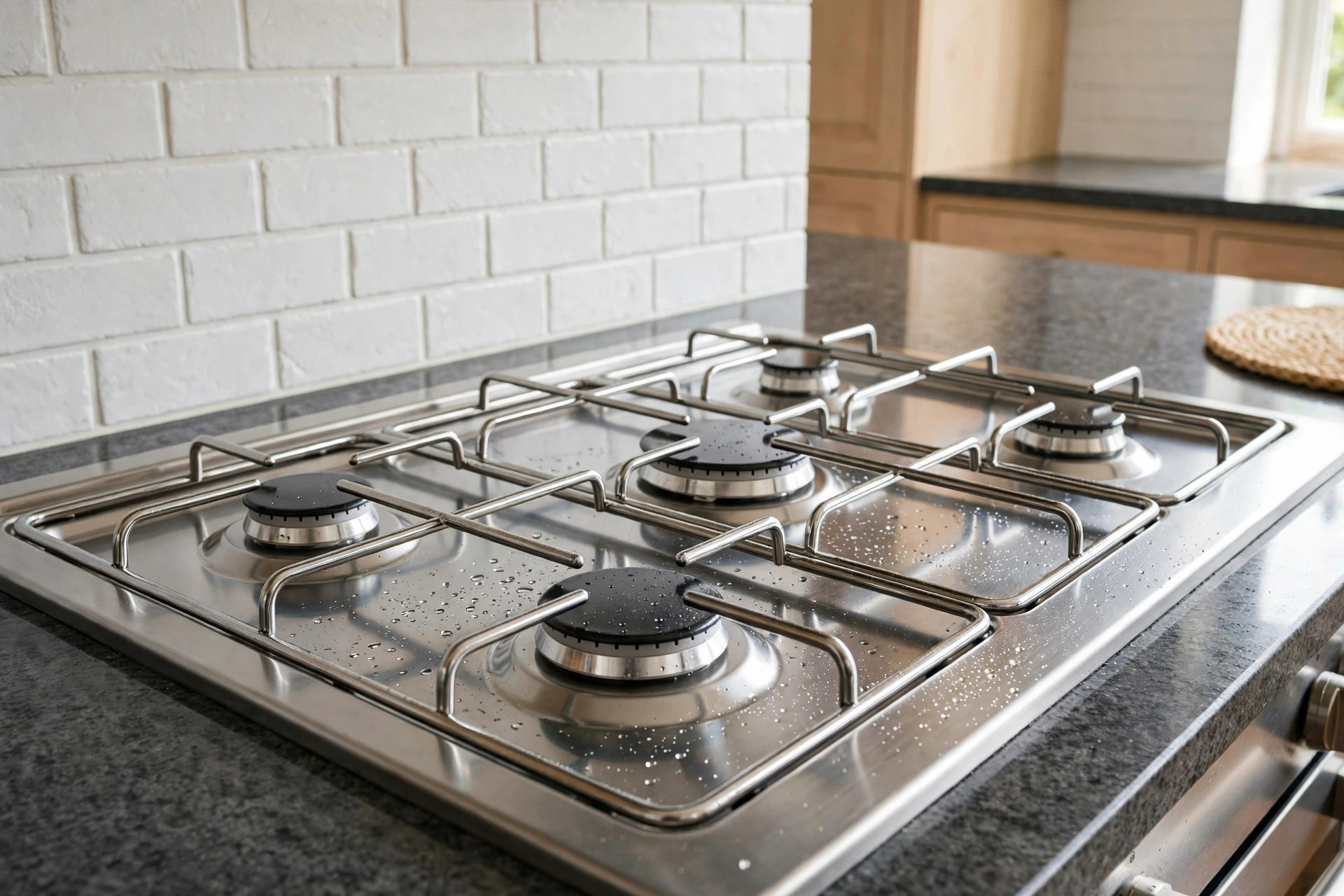
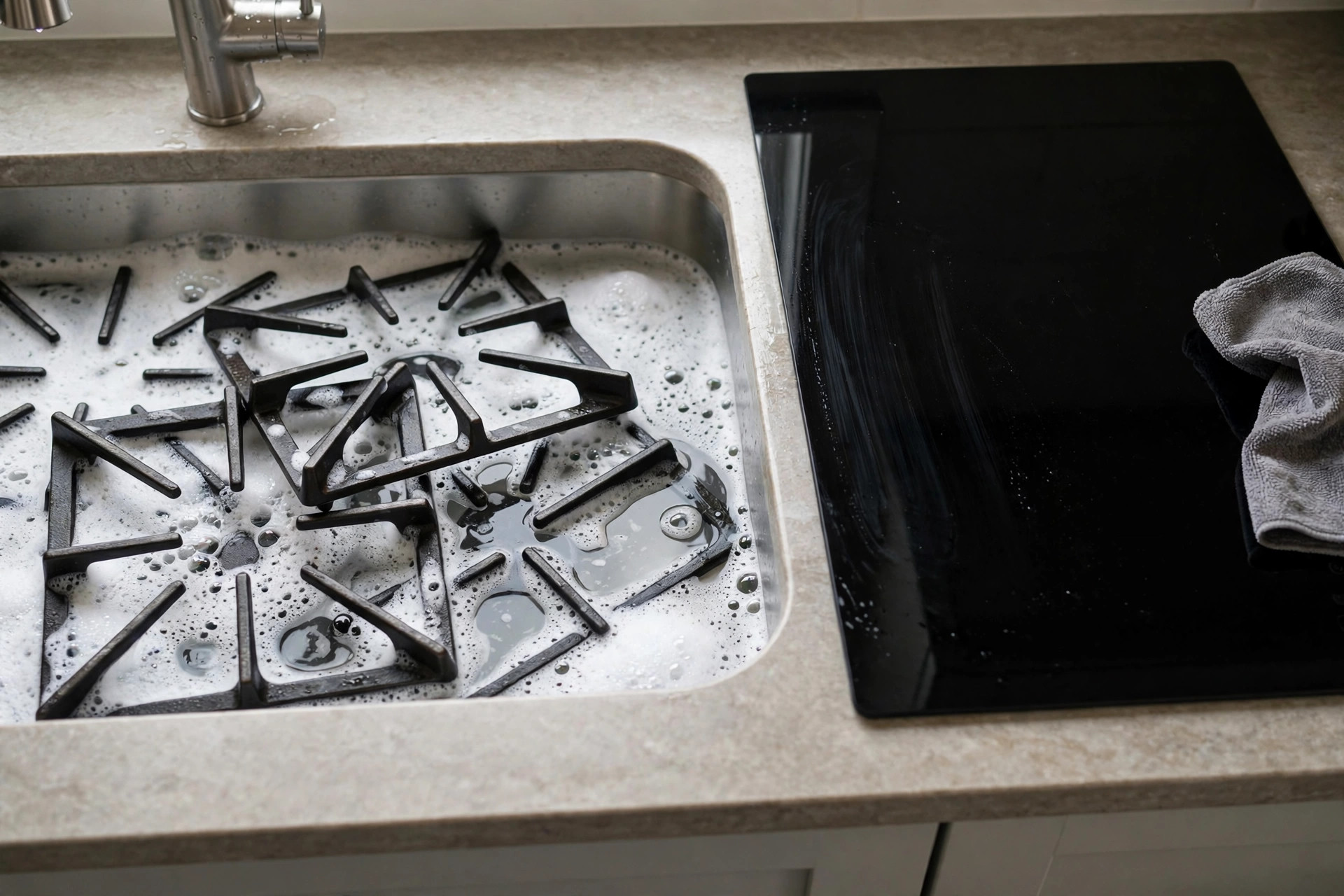
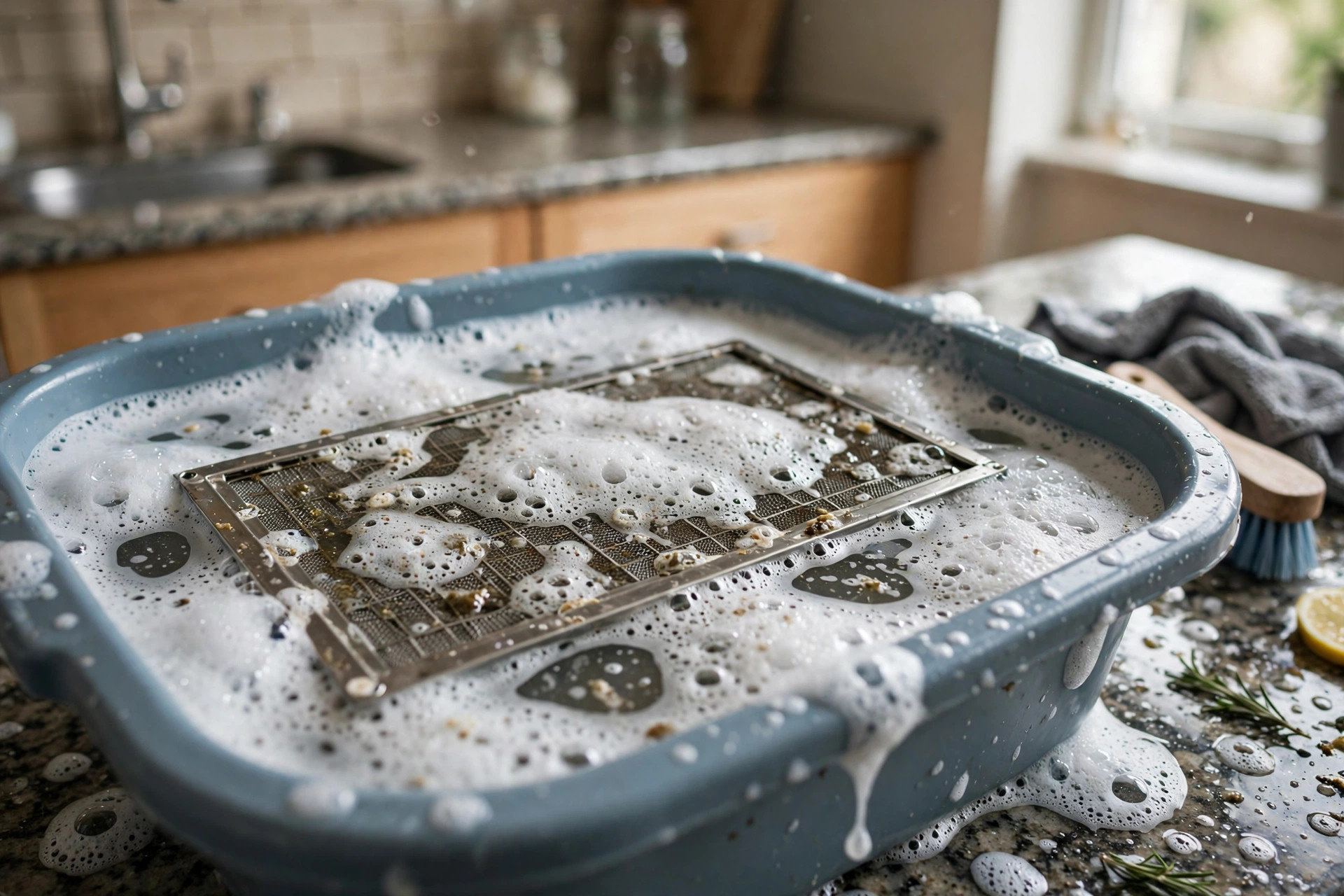
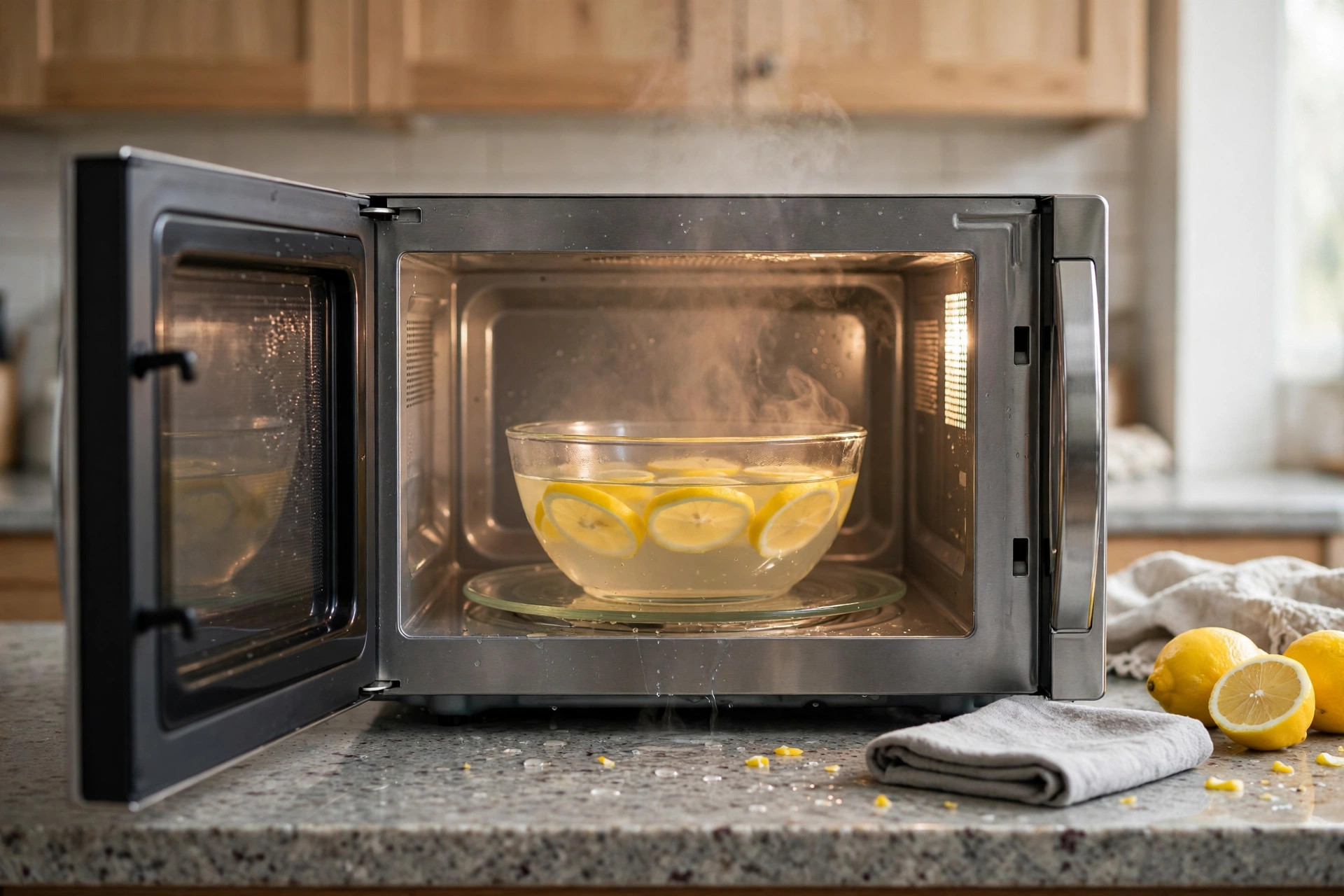
Pick one day — many people anchor it to trash night or the grocery run — and work this list top to bottom. Microwave inside (3 minutes): microwave a bowl of water with a slice of lemon for two minutes, let the steam sit, then wipe; dried splatter lifts off without scrubbing. Stovetop properly (5 minutes): lift grates and burner caps, soak them in hot soapy water while you degrease the surface, then dry and replace. Appliance fronts and handles (4 minutes): degrease the fridge, oven and dishwasher fronts, plus every cabinet pull — this is where the greasy film actually lives. Fridge one-shelf clean-out (5 minutes): empty one shelf, toss anything expired, wipe the shelf, reload; rotating shelves means the whole fridge gets cleaned monthly with no big empty-out. Sink deep scrub and faucet polish (4 minutes): scrub the basin with baking soda paste, rinse, and polish the faucet — sinks carry more bacteria than most people are comfortable knowing. Trash can wipe-down (3 minutes): wipe the lid, rim and pedal, the parts hands actually touch. Proper floor mop (6 minutes): mop the whole kitchen floor, moving mats and the trash can to get underneath. If you run a whole-home plan like a weekly cleaning schedule for busy working women, this session simply becomes that plan’s kitchen day — same tasks, already scheduled.

Monthly Tasks: The Deep Layer (About 45 Minutes, Once a Month)
The monthly layer is short but mighty — these are the jobs whose absence slowly makes a kitchen feel grimy no matter how tidy the counters are. Oven inside: use the self-clean cycle if you have one, or an oven cleaner or baking-soda paste left overnight; wipe out ash and residue, and ventilate the room well. Range hood filter: slide it out and soak it in very hot water with dish soap and baking soda for 15 minutes, scrub, dry fully, replace — a grease-clogged filter neither vents nor is safe. Dishwasher filter and empty cycle: twist out the filter at the bottom of the tub, rinse and scrub it, then run the machine empty and hot with a cup of white vinegar on the top rack. Cabinet fronts degreased: work along the cabinets nearest the stove with degreaser; this is the fix for the sticky film that daily wiping cannot touch. Small appliances detailed: empty the toaster crumb tray, descale the coffee maker, wipe the stand mixer and blender bases. Under-sink check: pull items out, look for leaks or drips, toss empties, and put supplies back in their caddy. Pantry quick scan: check dates, wipe one shelf, and move older items to the front so they get used. Forty-five minutes, once a month, and nothing in the kitchen ever reaches “how did it get this bad?” territory again.
Putting It on Your Calendar
Routines fail when they live in your head, so give each layer a fixed home. Daily tasks attach to dinner: the closing shift starts when the meal ends, no decision required. The weekly session gets one named day — write it on the calendar like an appointment, and if the week explodes, shrink it to the microwave, stovetop and mop rather than skipping entirely. The monthly session pairs well with the first weekend of the month or with paying bills, any anchor you never miss. For the first month, keep the three lists on the fridge; by the second month you will not need them. Habits tied to existing habits are the ones that survive.
What to Avoid
Avoid letting dishes “soak” overnight as a standing system — soaking is a tactic for one burnt pan, not a nightly plan, and it guarantees you start every morning behind. Avoid using the same sponge for weeks; a sponge that smells is a bacteria farm, full stop. Avoid skipping the filters: the dishwasher and range hood filters are the two most-forgotten items in the kitchen, and both quietly stop working when clogged. Avoid oven cleaner in a closed, unventilated kitchen, and never mix it — or any cleaner — with another product. Avoid mopping an unswept floor, which just moves grit around in gray water. And avoid cleaning only what guests can see: handles, switches and the trash can lid carry more germs than the middle of your counter ever will.
Frequently Asked Questions
How long does a kitchen cleaning routine take each day? About 10 minutes for the daily closing shift, plus one 30-minute weekly session and one 45-minute monthly session. Spread out, that is roughly 25 minutes a week of active cleaning beyond the daily ten — far less than one desperate Saturday deep clean, and the kitchen never actually gets dirty in between.
What is the most skipped kitchen cleaning task? The dishwasher filter, closely followed by the range hood filter. Both hide out of sight, both clog gradually, and both announce themselves only through bad smells and poor performance. They are monthly, five-minute jobs — add them to the calendar today if you have never done them.
Should I clean as I cook, or all at the end? Both, in small ways. While cooking, wipe spills immediately and wash prep tools during natural pauses (things simmering, water boiling) — that is clean-as-you-go, and it shrinks the closing shift. The closing shift itself still happens after dinner, because the final dishes, counters and floor sweep can only be done once cooking is truly over.
How often should I replace my kitchen sponge? Every one to two weeks with daily use. You can stretch a sponge slightly by running it through a dishwasher cycle or microwaving it damp for one minute, but once it smells sour or starts to crumble, it is done — no sanitizing trick fully rescues it.
My kitchen is already a disaster. Where do I start? Do one monthly-layer session first as a reset — oven, filters, cabinets, the works, about an hour — or split it across two evenings. Then start the daily closing shift the next night and never look back. Starting the routine in a filthy kitchen fails because daily tasks cannot outrun months of build-up; one reset fixes that.
Conclusion
A clean kitchen is not a personality trait or a free Saturday — it is three short lists, each done at the right frequency. Ten minutes a night, thirty minutes a week, forty-five minutes a month, and grease, smells and mystery stickiness simply never get a foothold. Start tonight with just the closing shift: dishes done, counters wiped, sink empty. Save this kitchen cleaning routine to your cleaning board so the monthly list is handy, and share it with a friend whose Sunday scrub sessions deserve to retire.