You mop the floors, wipe the counters and scrub the toilet — and your home still smells a little off, or a guest picks up a remote that feels faintly sticky. The problem is rarely the cleaning you do. It is the layer of things you forget to clean: spots that never make it onto any routine because you see them daily without noticing them. Germs, grease and dust build up on fan blades, seals, filters and handles — exactly why a “clean” house can feel not quite clean. These 19 cleaning hacks fix that. Most take under ten minutes, cost almost nothing, and need doing only a few times a year. Work through it once, then add the worst offenders to your rotation.
1. Ceiling Fan Blades
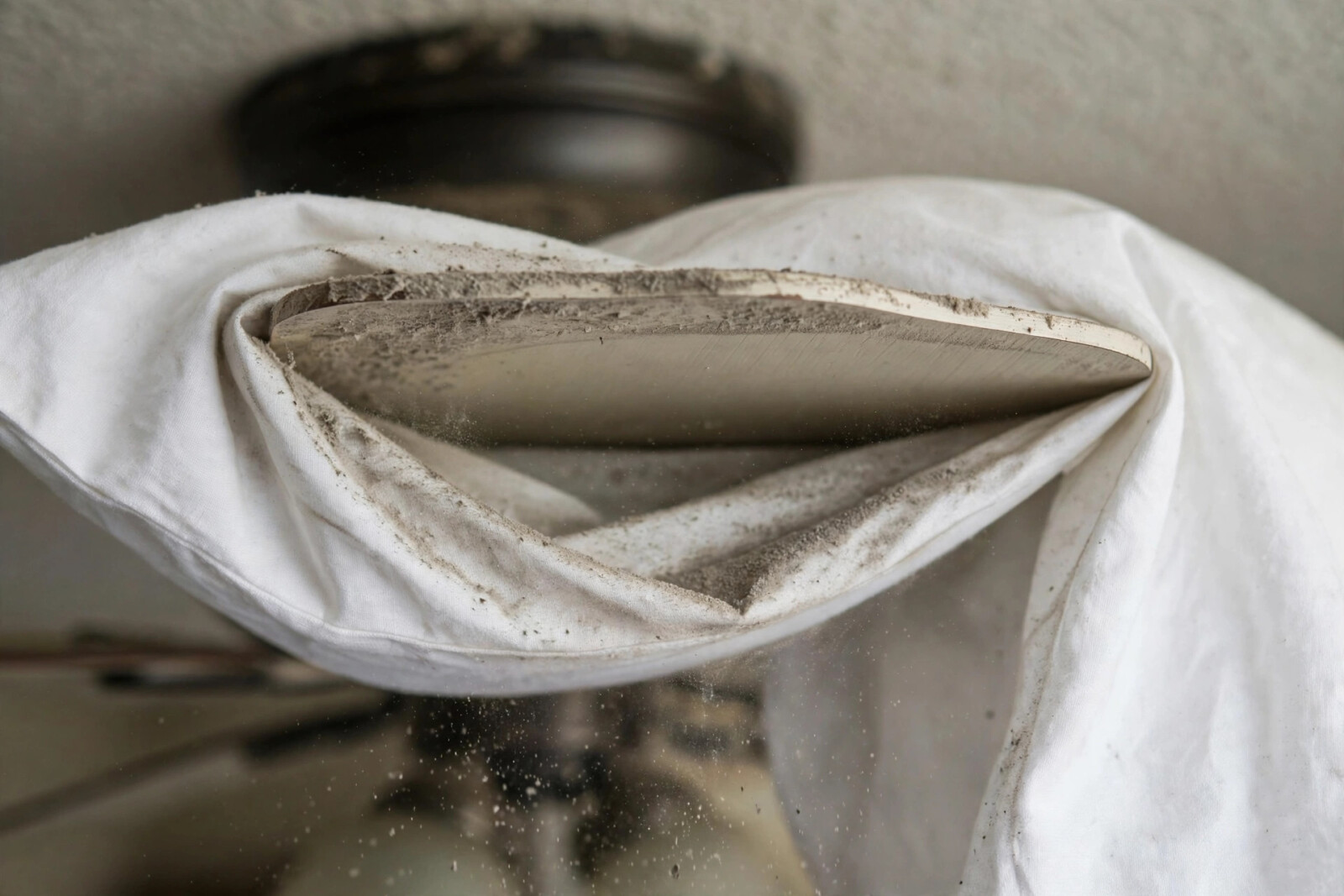
Fan blades collect a thick layer of dust, then spread it around the room every time the fan runs. Slide an old pillowcase over one blade at a time and pull it back slowly — the dust comes off inside the case instead of snowing onto the bed below. Shake the case outside, wash it, done. Five minutes, every two to three months.
2. Remote Controls and Game Controllers
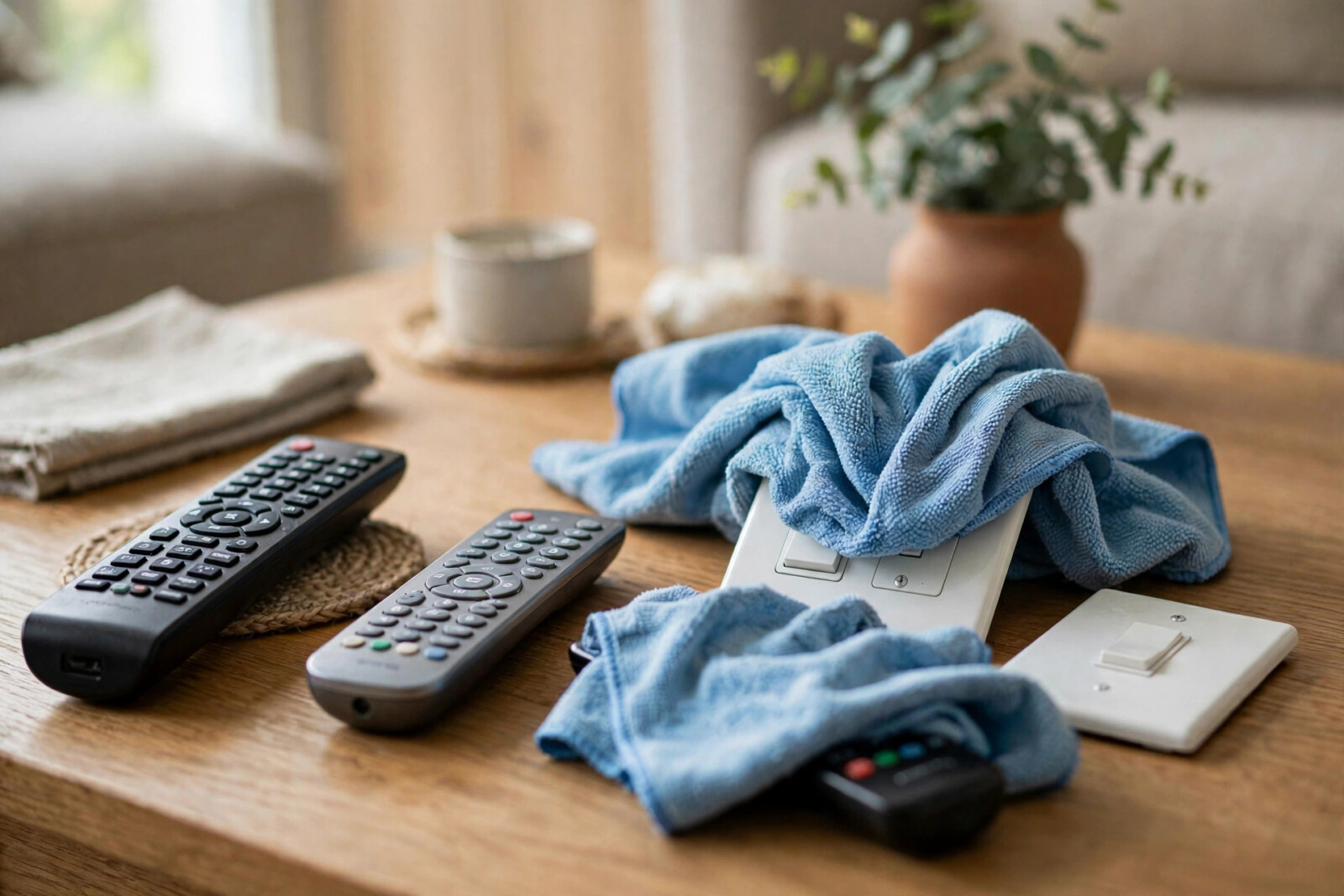
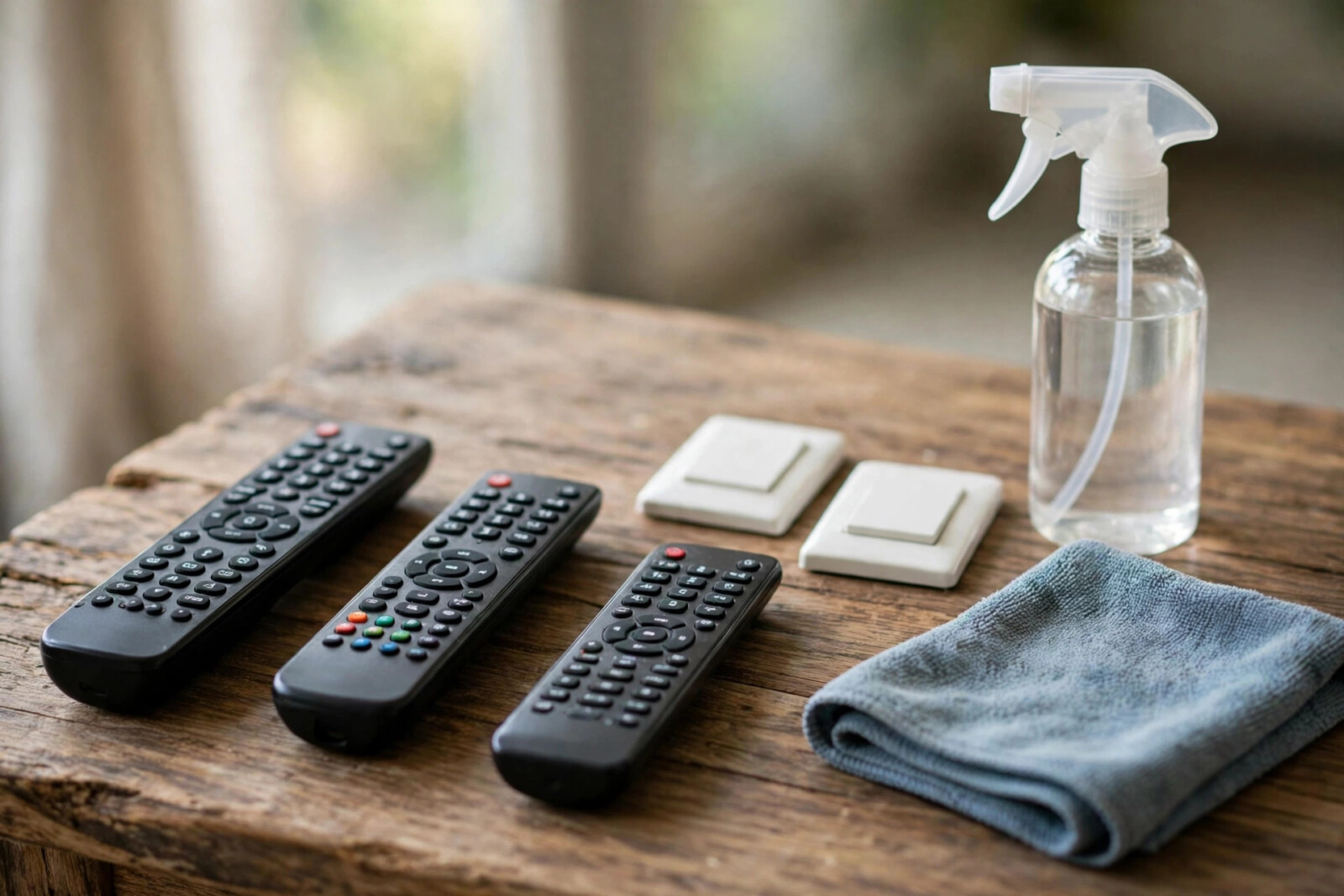
Remotes are handled daily, often with snack-covered fingers, and almost never cleaned. Dampen a microfiber cloth with disinfectant spray or rubbing alcohol — damp, never dripping — and wipe every surface. Run a cotton swab along the button edges to lift the grime ring hiding there. Monthly is fine; weekly during flu season.
3. Shower Head
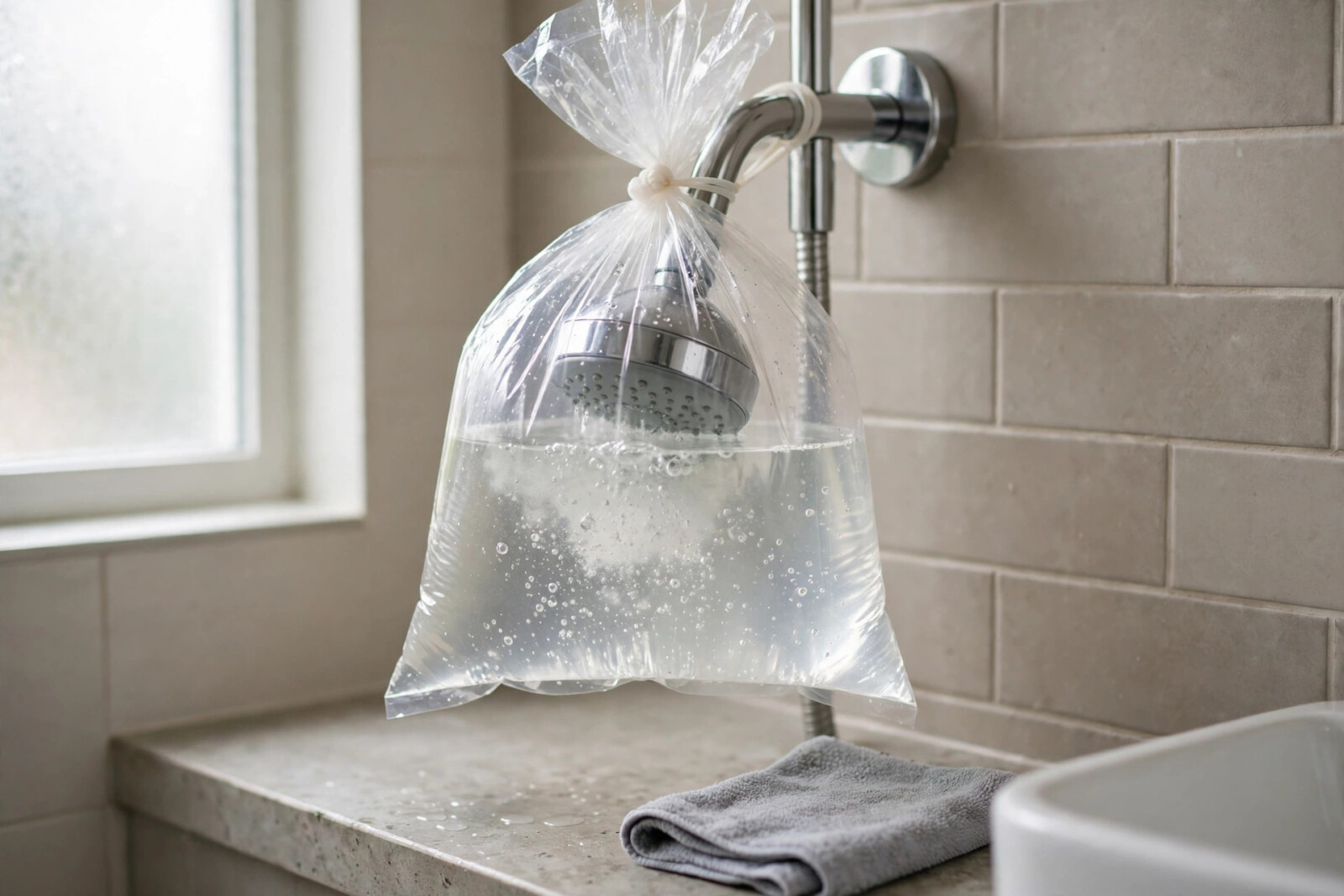
A weak, sideways-spraying shower usually means mineral deposits, not bad plumbing. Fill a bag with white vinegar, tie it over the shower head so the head is submerged, and leave it overnight. Remove the bag, run hot water for a minute, and scrub the nozzles with an old toothbrush. Full pressure returns, and the vinegar kills bacteria. Repeat every three to six months.
4. Washing Machine Rubber Seal
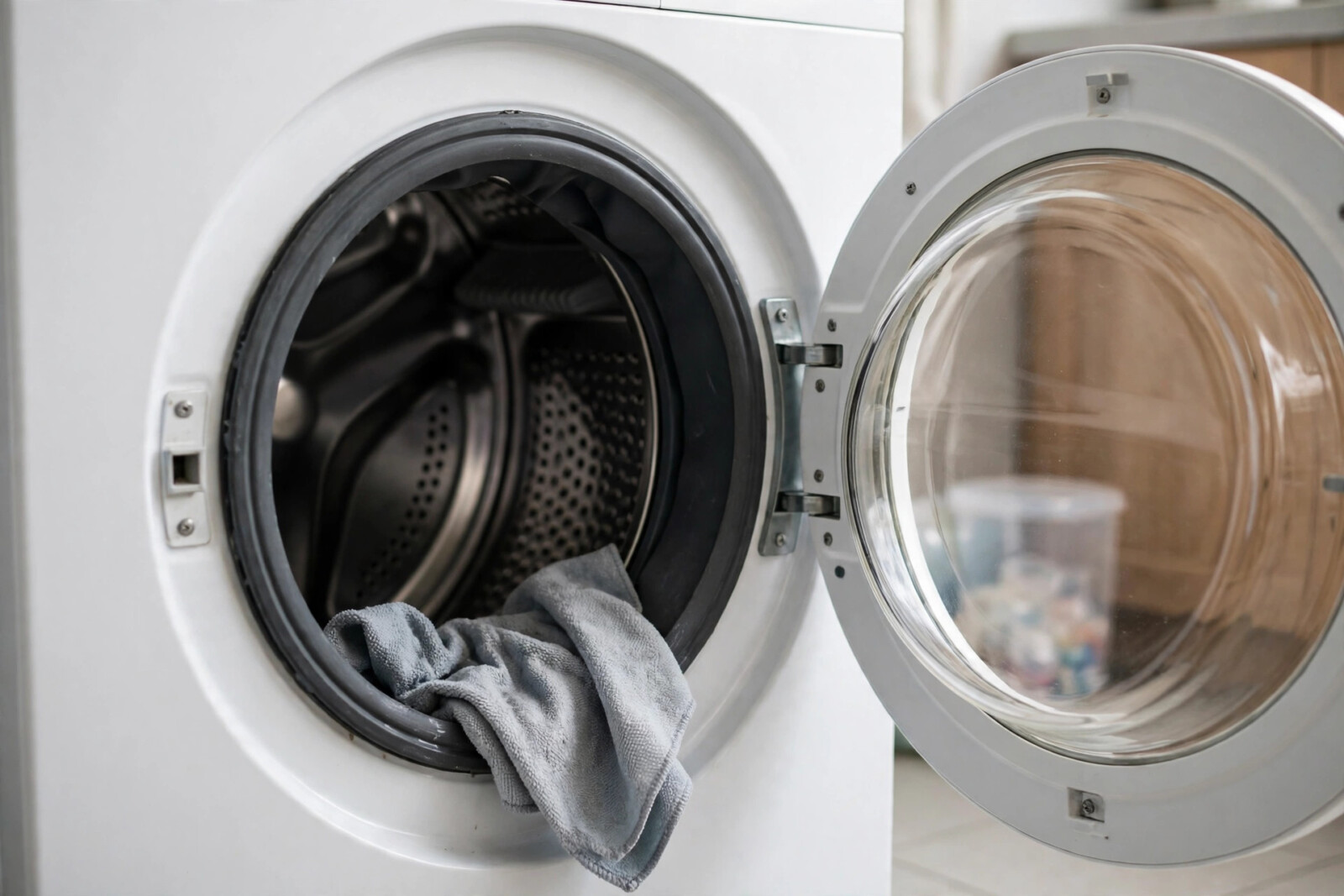
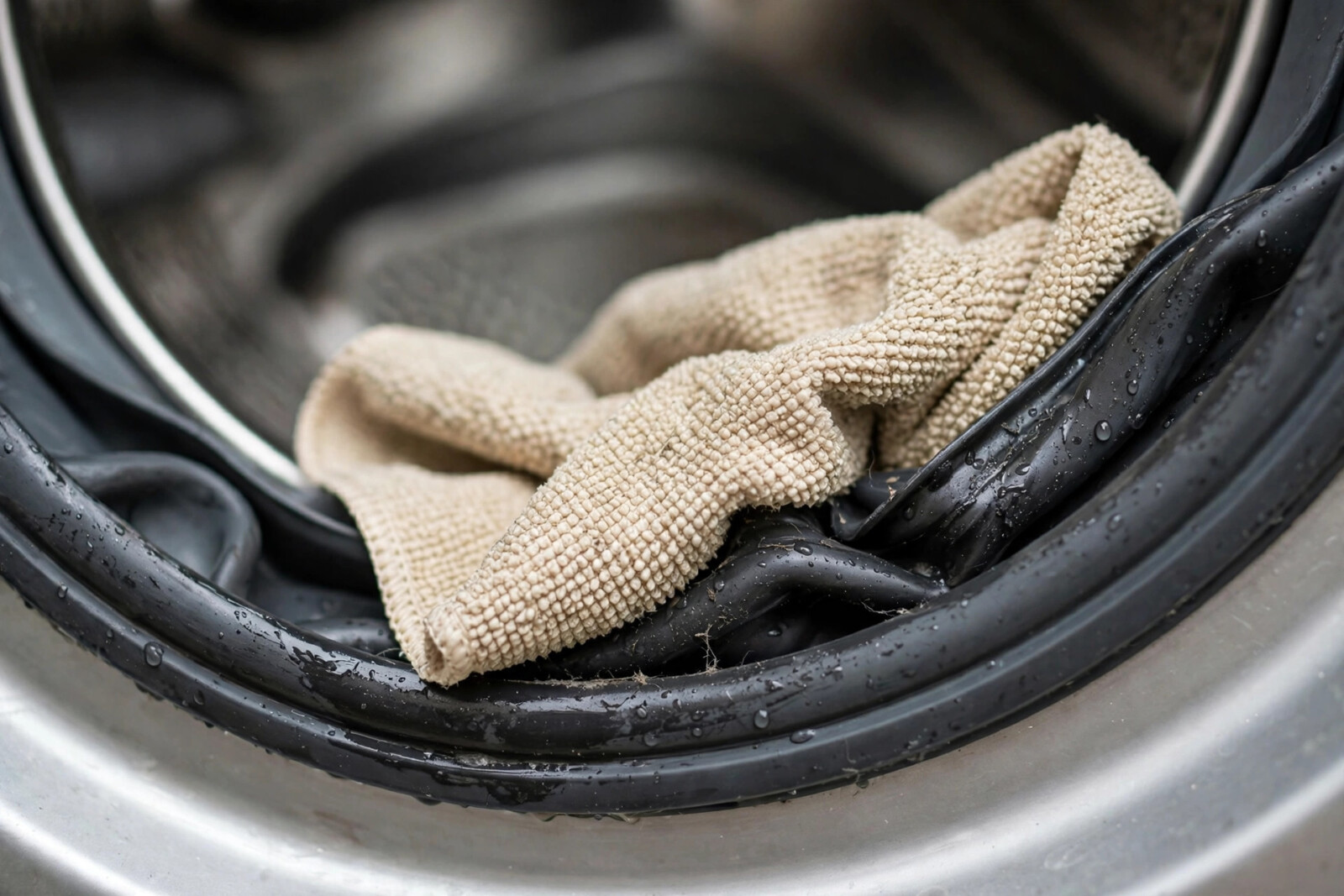
That musty smell on “clean” laundry usually lives in the front-loader door gasket. Pull the rubber folds back and you will find gray slime and trapped water. Wipe folds with a cloth soaked in half water, half white vinegar (diluted bleach for visible mold), then dry. Leave the door cracked between loads so the seal dries. Two minutes monthly prevents the smell.
5. Dishwasher Filter
Most dishwashers have a removable filter in the tub’s bottom that most owners have never seen. Twist it out, rinse under hot water, and scrub gently with dish soap and a soft brush — trapped food there causes gritty dishes and stubborn smells. Rinse monthly. Keep an old toothbrush under the sink for jobs like this; our under-sink kitchen storage ideas give small tools a tidy home.
6. Light Switches and Door Handles
These are the highest-touch surfaces in the house and the least cleaned. Wipe them with a disinfecting wipe, or a cloth dampened with all-purpose cleaner and wrung almost dry — germs gone without soaking the switch mechanism. A whole home takes ten minutes. Monthly is fine, weekly when someone is sick. One of the cheapest flu-season defenses there is.
7. The Trash Can Itself
You take the trash out, but the can keeps the smell. Once a month, hose cans down outside or scrub in the tub with dish soap, rinse, and dry fully — sunlight is a natural deodorizer. Sprinkle baking soda in the bottom of the dry can before the new bag goes in. Kitchen and bathroom cans both count.
8. Coffee Maker
Your coffee maker is warm, damp and dark — perfect for mold and mineral scale. Descale monthly: brew a cycle of half white vinegar, half water (no pod or grounds), then run two cycles of plain water. Wash the carafe, lid and reservoir with hot soapy water weekly. Your coffee will taste better — scale changes flavor before you see it.
9. Toothbrush Holder
Germ studies consistently rank the toothbrush holder among the dirtiest items in the bathroom — it catches drips from wet brushes all day. Most holders go in the dishwasher’s top rack; otherwise soak in hot soapy water for ten minutes and scrub the slots with a bottle brush. Rinse weekly, deep clean monthly. Replace toothbrushes every three months.
10. Shower Curtain Liner
That pink or black film creeping up the liner is mildew, spreading spores every time the shower steams. Most liners are machine washable: run a gentle warm cycle with a couple of bath towels (they scrub as they tumble) and regular detergent, then rehang to dry. Monthly does it. If stains survive, a new liner costs under $10 — cheaper than allergy meds.

11. Range Hood Filter
The mesh filter above your stove fills with grease until it stops working — and a grease-loaded filter is a fire risk. Most metal filters slide or pop out. Soak yours in hot water with dish soap and a quarter cup of baking soda for 15 minutes, scrub, rinse, dry completely, and replace. Every two to three months keeps it venting.
12. Bathroom Exhaust Fan Cover
A dusty fan cover means a fan that barely moves air, so moisture lingers and mildew wins. Most covers pull down or unclip. Vacuum the cover and visible blades with a brush attachment, wash the cover in warm soapy water, dry fully, and snap it back. Ten minutes, twice a year, and the bathroom clears steam faster.
13. Vacuum Cleaner Filter
The tool that cleans everything else rarely gets cleaned, and a clogged filter pushes dust back into the air. Empty the bin every few uses. Monthly, tap the filter clean outside; if it is washable, rinse it and dry a full 24 hours before reinstalling. Check the brush roll for wrapped hair, too. A maintained vacuum cleans better and lasts longer.
14. Dryer Lint Trap and Vent Slot
You clear the lint screen after every load — good — but fabric softener leaves an invisible film that blocks airflow. Wash the screen with hot soapy water and a brush monthly; water should pass through freely. Every six months, vacuum inside the lint trap slot with a crevice tool. Lint build-up is a genuine fire hazard; this habit is the fix.
15. Pet Food and Water Bowls
Pet bowls grow a slimy bacterial film called biofilm within a day or two, even when they look fine. Wash bowls daily with hot soapy water, or rotate two sets through the dishwasher. Weekly, scrub the stand or mat underneath too — spilled food hides there. Stainless steel and ceramic bowls resist scratches where bacteria hide, and cost $8 to $15.
16. Reusable Grocery Bags
Bags that carry raw meat and produce, then sit in a hot car trunk, are germ shuttles you unpack onto your kitchen counter. Machine wash cloth and canvas bags monthly (check the label, air dry); wipe insulated bags inside and out with hot soapy water. Designate one bag for meat, and wash it after any leak.
17. Computer Keyboard and Phone
Keyboards collect crumbs and skin oil, and phones go everywhere — including, honestly, the bathroom. Shake the keyboard over a trash can, use compressed air ($5 a can) between keys, then wipe tops with a cloth dampened with rubbing alcohol. Wipe your phone screen and case with a microfiber cloth daily, an alcohol wipe weekly.
18. Pillows (Not Just the Pillowcases)
You wash the cases, but the pillows themselves absorb sweat, oils and dust mites. Most synthetic pillows are machine washable — check the label, wash two at a time, use a gentle warm cycle, and dry thoroughly with dryer balls to restore loft. Every three to six months. A pillow flat or smelly after washing has retired.
19. Houseplant Leaves
Dusty leaves are not just a looks problem — a coating of dust blocks the light plants need to photosynthesize, so they grow slowly and drop leaves. Wipe large leaves top and bottom with a soft damp cloth, supporting each leaf underneath. Small, sturdy plants can get a gentle lukewarm shower in the tub. Five minutes a month restores the plant-shop look.
How to Fit These Into Your Routine
Nineteen extra jobs sounds like a lot until you sort them by frequency. A handful — remotes, light switches, pet bowls, the dishwasher filter — belong on a monthly loop. The base still matters most: the 10-minute daily cleaning routine that actually works keeps daily grime from building, and a room-by-room deep cleaning checklist catches the big under-and-behind jobs a few times a year. This list is simply the layer in between. Add each hack to your calendar at its noted frequency, and they stop being forgotten.
What to Avoid
Avoid spraying liquid directly onto electronics or anything plugged in — dampen the cloth, never the object. Avoid mixing cleaners, especially bleach with vinegar or ammonia, which creates dangerous gases; one product per job, rinse between. Avoid vinegar soaks on natural stone, unsealed grout or hardwood — it etches them; mild dish soap is safer. Avoid putting damp things away: seals, liners and filters must dry fully or mildew moves straight back in. And avoid doing all 19 in one day; spread them across the month.
Frequently Asked Questions
How often should I clean these forgotten spots? Most items need attention monthly to every three months; a few, like the fan cover and dryer vent, are twice-a-year jobs. Easiest system: pick three spots a month on rotation, and the whole list cycles about twice a year.
What is the dirtiest forgotten item in most homes? Toothbrush holders, remotes and the kitchen sponge area rank near the top in germ studies. The washing machine seal is the most common hidden cause of a “clean home that still smells musty.” Start with those three.
Can I use vinegar to clean everything on this list? No. Vinegar is great for descaling shower heads and coffee makers and cutting mildew on seals, but it etches natural stone, damages unsealed grout over time, and dulls some finishes. For stone and hardwood, use mild dish soap instead.
Do I need special products for these hacks? Almost nothing new: dish soap, vinegar, baking soda, rubbing alcohol, microfiber cloths, an old toothbrush and compressed air cover nearly all 19 hacks — under $15 if you own none of it.
Conclusion
Your home is probably cleaner than you think — it is just carrying a hidden layer of forgotten spots no routine touches. Pick three hacks today (the toothbrush holder takes four minutes), put the rest on a monthly rotation, and notice the difference by next week. Save this list to your cleaning board, and share it with a friend whose home is clean but never quite smells like it.